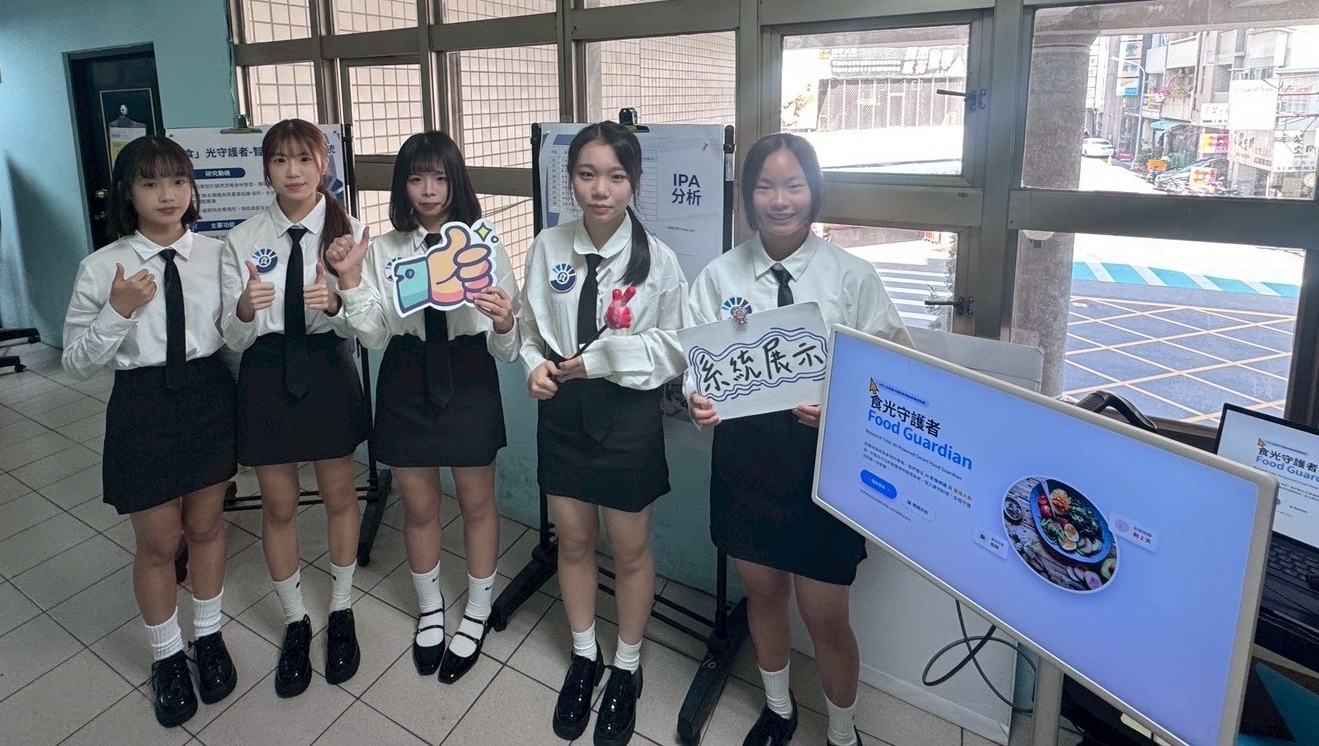
Collaborate with Passion, Reduce Food Waste
Learn More
Unite Our Strength to Protect Food
Learn MoreProject Documentation
Initially, we focused on household dietary habits and kitchen management, starting with research on smart refrigerator hardware improvements. However, we discovered that food waste is often closely related to ingredients being forgotten in the depths of the refrigerator, while traditional refrigerators lack effective inventory tracking and expiration management. After learning YOLOv8 image recognition and Roboflow, we proposed applying AI to identify ingredient types—especially common unpackaged items found in traditional markets—and integrating a LINE Bot for real-time expiration reminders. Ultimately, we developed the “Food Guardian” smart ingredient management system, which not only improves the accuracy and convenience of household food management but also aims to significantly reduce food waste.
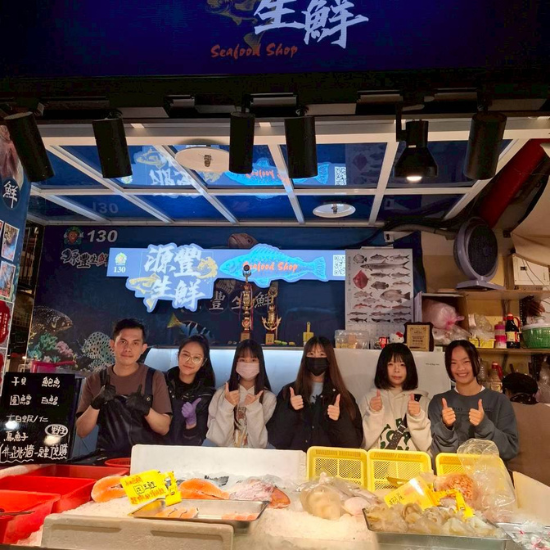
Our visit to vendors at Xingguo Market revealed a critical insight: “unpackaged ingredients are difficult to manage,” which is a major cause of household food waste. This realization led us to integrate AI-based photo recognition and LINE expiration reminders into our system, enabling even barcode-free ingredients to be easily recorded. This interview experience pushed us beyond the screen, allowing us to apply our programming skills to solve real-life problems.
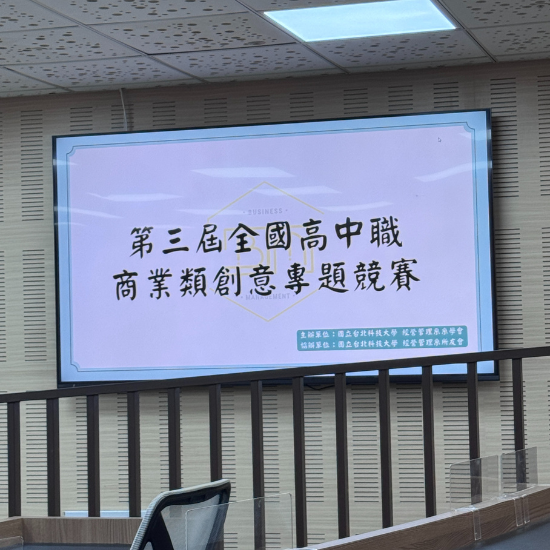
At the NTUT Project Competition, our “Food Guardian” system received high recognition from the judges. In particular, the addition of the “recipe recommendation” feature stood out, as it proactively suggests cooking ideas for ingredients nearing expiration. This thoughtful design effectively addresses the common problem of food being wasted due to uncertainty about how to cook it. Participating in this competition significantly enhanced our technical capabilities and further strengthened our commitment to using technology to reduce food waste.
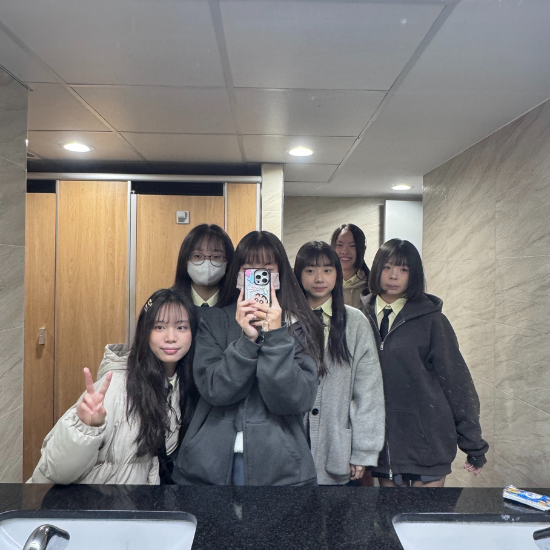
We transformed our creative idea of solving “leftover food in the refrigerator” into a real-world solution, showcasing AI recognition, LINE-based expiration alerts, and recipe recommendation features to the judges. Seeing our concept—integrating technology into everyday life—recognized and appreciated made all the late nights of coding truly worthwhile. This competition not only significantly improved our technical and presentation skills, but also proved that high school students can use creativity and technology to make a meaningful impact on environmental sustainability.